
Lock eight things before anyone drafts: scoring type, starting lineup and bench size, draft type and date, the exact roster lock time, waiver model and period, playoff structure with tiebreakers, how you'll collect payment, and one official communication channel. Skip any of these and you're setting up a midseason argument that didn't need to happen.
- Scoring: standard, half-PPR, or PPR, plus any bonus rules
- Roster: starter slots and bench size for your league size
- Draft: snake, auction, or team-draft, with a locked date and time
- Locks: the exact roster lock and lineup deadline
- Waivers: waiver type and waiver period length
- Playoffs: bracket size and tiebreaker order
- Payments: how and when dues get collected
- Communication: one channel, no exceptions
Write these into a short league constitution and send it to every manager before you open registration. A pool with no written rules is just a pool waiting for a dispute.
Key Takeaways
A well-run sports pool depends on locking scoring, roster, draft, waiver, playoff, and payment settings in writing before the draft, then enforcing them consistently all season.
| Point | Details |
|---|---|
| Lock settings early | Finalize scoring, roster size, draft type, and lock times before sending invites. |
| Choose a waiver model that fits | Use inverse-standings or a short rolling period unless your group wants FAAB's added complexity. |
| Collect dues before the draft | Enforce no-pay, no-draft and use a secure third-party collection service, not personal accounts. |
| Centralize communication | Route all announcements through one channel and document every ruling in a league constitution. |
| Consider a team-draft format | DraftWins removes weekly lineup management with automated scoring and live leaderboards for a one-time hosting fee. |
Table of Contents
- How to Find Sports Pool Commissioner Settings on Your Platform
- Which Scoring and Roster Settings Actually Matter?
- What Draft Format Should Your Pool Use?
- How Should You Set Up Waivers and Trade Rules?
- Playoff Format and Tiebreakers: What to Decide Now
- How Do You Handle Payments Without Drama?
- Where Should League Rules and Announcements Live?
- How DraftWins Simplifies Team-Draft Commissioner Setup
- Ready to Set Up a Team-Draft Pool the Easy Way?
- Helpful Resources for Commissioners
- Sources
- FAQ
How to Find Sports Pool Commissioner Settings on Your Platform
Most platforms bury commissioner controls behind a label like "League Settings," "Contest Settings," or a dedicated commissioner panel accessible from the league homepage. Look for a gear icon or an admin tab, usually visible only to the person who created the pool.
Configure things in this order so you're not backtracking:
- League info and privacy first (name, size, invite settings)
- Roster and scoring rules second, since draft settings depend on them
- Draft type, date, and time third
- Waiver rules fourth
- Playoff structure fifth
- Payment collection sixth
- Communication channel last, once everything else is final
Platform help centers, like the Splash Sports commissioner handbook, specifically recommend locking scoring rules, missed-pick penalties, and entry limits before a contest opens. Save each section as you go. Some platforms won't warn you if a setting reverts to default, and nothing wastes more goodwill than sending draft invites before you've double-checked the scoring tab actually saved.
Which Scoring and Roster Settings Actually Matter?
Scoring format shapes the entire draft, so get it right before anyone picks. Standard scoring rewards touchdowns and yardage; half-PPR and full PPR reward volume, which changes which players go early. Bonus rules for long touchdowns or 100-yard games add flavor, but they also add scorekeeping headaches most casual pools don't need.
Roster construction matters just as much as scoring. A typical 10-team league runs something like 1 QB, 2 RB, 2 WR, 1 TE, 1 FLEX, and a 6-7 man bench. Push starter slots too high in a small league and you'll run out of viable players by round eight. Keep bench sizes too thin and one bye week wrecks half the field.
- Standard, half-PPR, or PPR: pick one and publish it before invites go out
- Starter/bench ratios should scale with league size, not copy a bigger league's template
- Never adjust scoring after the draft. It's the fastest way to trigger fairness complaints, even from managers who benefit
Pro Tip: Keep scoring simple for casual and office pools. Add bonus points only if every manager agrees in writing first, not after someone's team benefits from a surprise rule.
What Draft Format Should Your Pool Use?

Snake and auction drafts work well for player-based fantasy leagues where individual roster construction is the whole game. Team-draft formats, where managers draft entire teams instead of assembling rosters player by player, fit pools that want less week-to-week management. DraftWins runs on this team-draft model, which removes the injury-report anxiety and lineup-setting grind that burns people out of traditional leagues.
Whichever format you choose, lock the mechanics before you send a single invite:
- Set the draft date and time, then confirm it with every manager individually, not just in a group post
- Decide your auto-pick policy for no-shows and state it in writing
- Enforce no-pay, no-draft so nobody drafts without dues in
- Set draft order (random, snake reversal, or a keeper-based method) and publish it early
- Confirm how roster locks work post-draft, including waiver eligibility timing
Send a reminder 24 hours out and have a backup plan (a co-commissioner who can run the draft if you can't) ready before draft night, not during it.
How Should You Set Up Waivers and Trade Rules?
Three waiver models cover almost every pool. Inverse-standings reset gives worse teams priority each week, simple and predictable. Rolling waivers move a team to the back of the line after a claim, rewarding activity. FAAB, a waiver budget each team spends on claims, adds strategy but also adds complexity most casual pools don't need.
- A 1 to 2 day waiver period balances fairness with keeping the pool moving
- FAAB is worth the extra setup only if your group already tracks stats closely and wants that layer
- Publish your trade review policy up front: who approves trades, what triggers a veto, and how an appeal gets resolved
Vague trade rules cause more commissioner headaches than any other single setting, mostly because everyone assumes their own interpretation is the obvious one.
Playoff Format and Tiebreakers: What to Decide Now
Most pools send the top 4 to 6 teams to the playoffs, depending on league size. A 12-team league sending only 4 keeps the regular season meaningful; a 10-team league sending 6 can dilute it.
Set your tiebreaker order before the season starts, not when you actually need it:
- Head-to-head record first
- Points for, second
- Points against, third
- Points differential as a last resort for leagues that track it
Decide on byes for top seeds, whether you're running a consolation bracket, and lock all of it before draft day. Playoff structure rarely needs midseason changes, and changing it once teams know their playoff odds is one of the fastest ways to lose trust in your commissioning.
How Do You Handle Payments Without Drama?
Collect every dollar before the draft, no exceptions. A strict no-pay, no-draft policy stops the awkward chase for money later in the season that ruins friendships faster than any bad trade. The LeagueSafe guide to running a fantasy league calls this the professional standard, and for good reason: it protects you as commissioner just as much as it protects your managers.
Use a secure third-party collection service instead of your personal Venmo or bank account. It removes you from the role of informal banker, which is exactly where most commissioner disputes start.
- Publish the full payout breakdown before you distribute anything
- Pay winners promptly once the season ends
- Keep payment records separate from your personal accounts
Pro Tip: Announce the no-pay, no-draft policy at least twice before draft day. One firm enforcement in your first season sets the tone for every season after.
Where Should League Rules and Announcements Live?
Pick one channel, whether that's a group text, a Slack workspace, or a dedicated app feature, and route every announcement through it. Fragmented communication across text threads, email, and social posts is a documented driver of misinformation in fantasy leagues, according to Fantasy Six Pack's commissioner guide.
Write a league constitution covering every setting in this article and pin it somewhere every manager can find it. Document every ruling you make, especially disputes, so you have a record if the same question comes up again.
- One channel for all official communication, no side threads for rule changes
- A written constitution covering scoring, rosters, deadlines, and payments
- A documented process for inactive teams, including when a lock or roster freeze applies
Consistency here matters more than any individual rule. Managers forgive a strict commissioner. They don't forgive an inconsistent one.
How DraftWins Simplifies Team-Draft Commissioner Setup

Team-draft pools shift what a commissioner actually manages. There's no weekly lineup-setting, no injury-report scrambling, and no waiver wire drama over backup running backs, because managers draft whole teams and let real-world results do the scoring.
DraftWins was built around that model, and it shows in what commissioners get out of the box:
- Automated scoring, so nobody's arguing about a missed stat
- Live leaderboards that update without manual tracking
- Private pools with customizable rules for scoring and structure
- A setup flow built for pools without individual player management, which cuts commissioner workload significantly
DraftWins charges a one-time hosting fee to create a pool. It doesn't collect entry fees, hold prize money, or handle payouts, so commissioners still need their own plan for collecting dues and paying winners.
Ready to Set Up a Team-Draft Pool the Easy Way?
Running scoring rules, roster locks, waivers, and playoff tiebreakers across multiple spreadsheets and group texts is how most commissioners burn out by Week 6. DraftWins strips out the part of commissioning that eats the most time: chasing lineup changes and settling stat disputes.
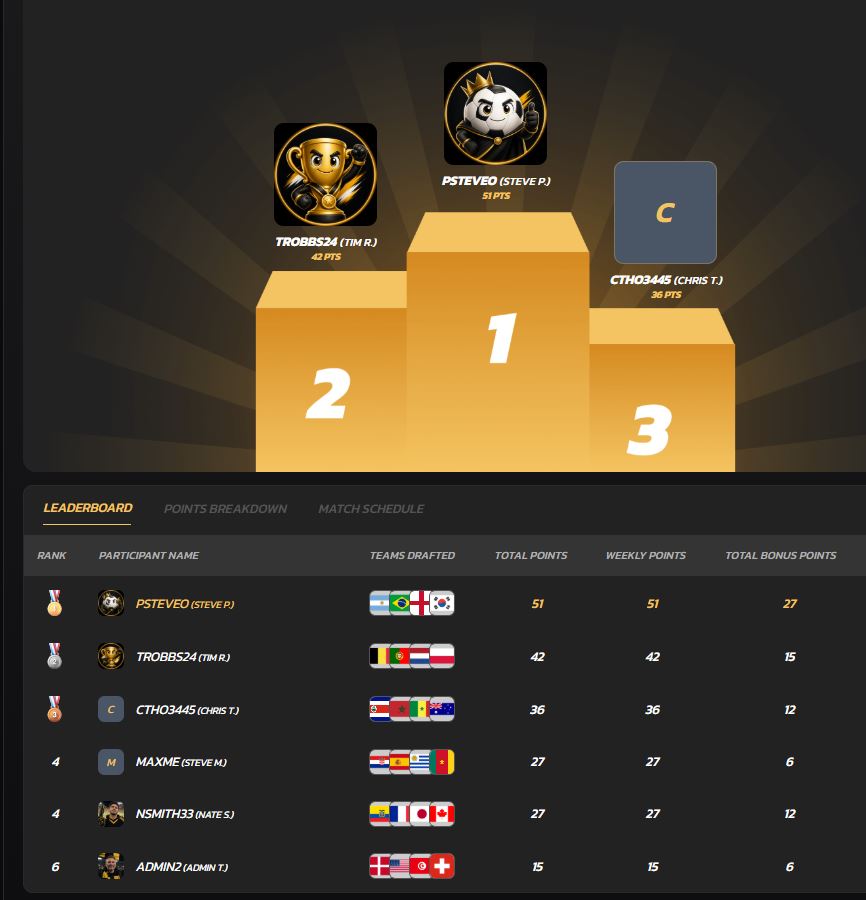
Because DraftWins uses team-draft pools instead of individual player rosters, there's no weekly lineup management to police and no waiver wire to referee. You set your scoring and rules once during setup, and automated scoring and live leaderboards handle the rest for the entire season. The business model is straightforward: Draftwins charges a one-time platform hosting fee to create your private pool. It does not collect entry fees, hold prize pools, or process payouts, so you'll still handle dues collection through a service like the one described above.
If you're tired of rebuilding the same settings checklist every season, create a private team-draft pool and get your league running in a fraction of the setup time.
Helpful Resources for Commissioners
For platform-specific settings, check the Splash Sports commissioner handbook, NFL's league types and settings guide, and LeagueSafe's commissioner guide for fee collection.
Sources
- How to Become the Best Fantasy Football League Commissioner You Can Be
- Splash Sports: Commissioner Handbook
- Fantasy League Commissioner Guide: How to Run a League the Right Way | LeagueSafe
FAQ
How Do I Get to Commissioner Settings on Yahoo Fantasy Football?
Open your league homepage, click the settings or gear icon typically found in the league menu, and select "Edit League Settings" from the commissioner tools available only to the league creator.
How Do I Edit League Settings Mid-Season?
Most platforms allow edits, but changing scoring or roster rules after the draft is one of the fastest ways to trigger fairness complaints, even among managers who benefit. Lock these settings before draft day instead.
How Can I Be a Better Fantasy Sports Commissioner?
Set clear rules before the season, document every ruling, and communicate through one official channel instead of scattering announcements across texts and social posts. Enforcing a strict no-pay, no-draft policy from season one also sets expectations for every season after.
What Are the Best League Settings for a Casual Pool?
Standard or half-PPR scoring, a bench size of 6 to 7 for a 10 to 12 team league, a 1 to 2 day waiver period, and a top 4 to 6 team playoff bracket cover most casual and office pools without adding unnecessary complexity.
Does DraftWins Handle Entry Fees or Payouts?
No. DraftWins charges a one-time hosting fee to create a private pool but does not collect entry fees, hold prize pools, or process payouts, so commissioners still need a separate method for collecting dues.