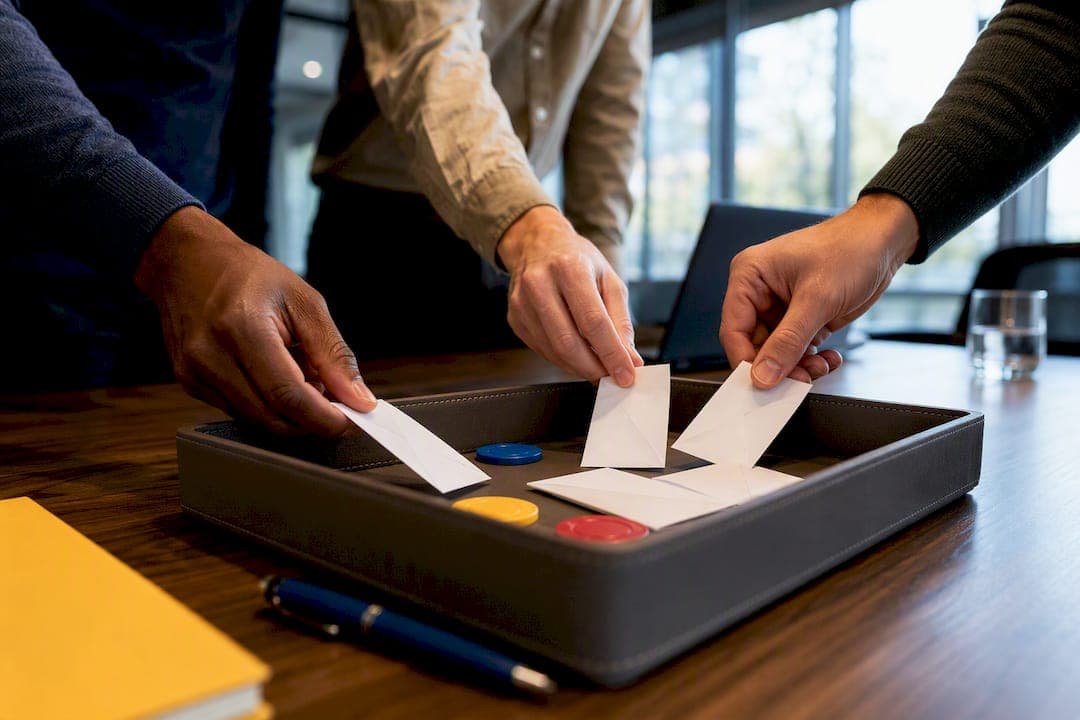
Yes, you can host a sports pool: pick a low-admin format like squares, a bracket, or a team draft, publish rules that keep the organizer from profiting, and run it through a private platform or free board that automates scoring. Set your entry deadline before kickoff and decide upfront whether money changes hands at all. If you want a ready-made option built for exactly this, DraftWins handles the draft and scoring for you.
TL;DR:
- Using a paid platform is beneficial only for large, recurring pools with real money, as automation reduces manual management time.
- Collect entry fees before the game starts and keep detailed records to avoid legal issues, especially when handling online payments across state lines.
- Choosing a simple, low-effort format like squares or a team-draft pool suits casual groups, while brackets require more ongoing administration.
- Always publish clear rules, deadlines, and payout structures upfront to prevent disputes or late sign-ups that can complicate the pool.
- Ensuring the organizer takes no profit from the pool by paying out all collected money minimizes the risk of illegal gambling classification.
Table of Contents
- How Do You Set Up a Sports Pool Step by Step?
- Which Sports Pool Format Should You Choose?
- Is It Legal to Run a Sports Pool for Money?
- Which Platform Should You Use to Run the Pool?
- How Do You Collect Entry Fees and Pay Out Winners?
- What Happens Once the Pool Is Live?
- What Are the Biggest Mistakes to Avoid?
- Ready to Run Your Pool Without the Admin Headache?
- Where to Learn More
- Sources
- FAQ
How Do You Set Up a Sports Pool Step by Step?
Getting a pool running takes less time than most people think. The order matters more than the details: rules and format come before invites, and invites come before money.
- Pick a format that fits your group size and the sport in play.
- Write the rules down: entry deadline, tie-breaker method, and exact payout split.
- Choose a platform or build a digital board, and decide who can see or join it.
- Collect entry fees before the contest starts, or skip money entirely with a free or charity format.
- Confirm every entry once payment or sign-up is locked in. No exceptions after kickoff.
- Publish how scoring works and how often the leaderboard updates.
Doing these in order avoids the most common headache: someone joins late, disputes a rule nobody wrote down, or asks for a refund after the games start. A published ruleset closes that door before it opens.
Which Sports Pool Format Should You Choose?
The format decides how much work you'll be doing all season, so pick based on your group's attention span, not just tradition.
- Squares: A grid tied to a single game's score, usually the Super Bowl. Minimal time commitment, works for any group size, and randomizing the numbers after the board fills keeps early sign-ups from gaming the best squares.
- Brackets: Best for single elimination tournaments like March Madness. Moderate admin, since you're tracking advancing teams round by round.
- Pick'em: Weekly picks against the spread or straight up. Good for groups that want to stay engaged all season, but it demands the most recurring admin unless a platform automates the scoring.
- Survivor: One wrong pick and you're out. Low weekly effort for participants, but the organizer has to track eliminations and enforce deadlines strictly.
- Team-draft pools: Participants draft entire teams instead of individual players, which strips out the lineup juggling and injury panic that make traditional fantasy pools exhausting to manage.
A weekly office squares board works for a group that wants light, low-stakes fun. A March Madness bracket suits people who already follow the tournament. Team-draft formats fit groups wanting season-long engagement without babysitting a roster every week.
Is It Legal to Run a Sports Pool for Money?
Legality depends on your state, and the biggest single risk factor is whether the organizer takes a cut. When the organizer profits from the pool, it can shift the whole contest from a friendly wager into something that looks like illegal gambling under state law.
Pro Tip: The safest structural fix isn't better rules, it's removing the organizer's cut entirely. A pool where every dollar collected gets paid back out has almost no financial upside for anyone to challenge.
Some states go further with specific restrictions. Washington, for example, limits square-style boards to one per event, caps entries at $1 per square, and allows state inspection of the board, illustrating how much detail can vary by jurisdiction. Collecting money online across state lines adds another layer of risk, since interstate transfers can brush up against federal wire-communication rules, and payment processors frequently flag or reject anything that looks gambling-related.
To keep a pool clean:
- Default to free-to-play, a charity prize, or a guaranteed full payout with zero organizer profit.
- Keep the pool inside a single state when real money is involved.
- Publish eligibility rules, the entry deadline, tie-breaker logic, the exact payout split, a clause stating the organizer takes no cut, and how disputes get resolved.
The SHRM guidance on office pools is blunt on this point: keep participation voluntary and keep the organizer's hands out of the money to limit HR exposure.
Which Platform Should You Use to Run the Pool?
Your platform choice should come down to five questions: does it support privacy or password protection, does it score automatically, does it help with payments, how easy is inviting people, and does it work well on a phone.
A paid hosting platform earns its cost when you've got a big group, real money on the line, or a pool that runs every season, because the automation saves hours you'd otherwise spend updating spreadsheets by hand. A free web board is fine for a one-off event like a single Super Bowl squares grid. A plain spreadsheet works only for very small, very informal groups willing to update scores manually.
This is exactly the gap DraftWins fills for organizers who want automation without the payment liability. It runs team-draft pools with automated scoring and live leaderboards, keeps pools private to invited members, and charges commissioners a one-time hosting fee rather than collecting entry fees or handling payouts itself.
Before you invite anyone, configure:
- Privacy settings (private, invite-only, or password-protected)
- An invite link or email list for participants
- Your scoring rules and payout structure, published where everyone can see them
Pro Tip: Password-protecting your pool before you send the first invite stops the link from getting forwarded into group chats you never intended to include.
How Do You Collect Entry Fees and Pay Out Winners?
Collect money upfront, always, before the first game starts. In-person cash or small peer-to-peer transfers with a simple receipt or spreadsheet log are the lowest-risk methods, since they stay inside one group and don't touch a payment processor that might flag the transaction.
Online collection across state lines carries real friction. Many payment processors reject transactions tagged as gambling-related outright, and cross-state transfers add the legal exposure covered above.
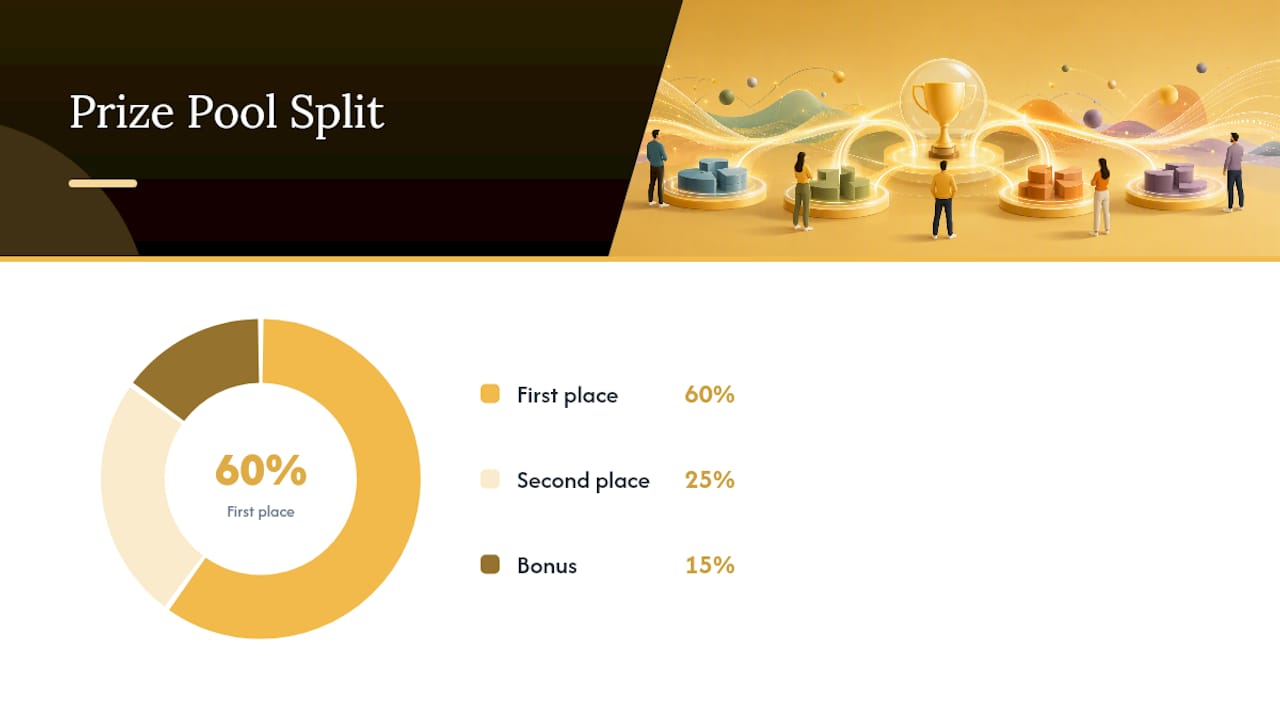
A typical payout structure splits the prize pool by outcome, for example:
| Split | Example Payout |
|---|---|
| First place | 60% |
| Second place | 25% |
| Weekly or quarterly bonus | 15% |
Keep a simple record of who paid, how much, and when. If the pool involves meaningful money, remind participants that gambling winnings are generally taxable income, and let them handle their own reporting.
What Happens Once the Pool Is Live?
Running the contest day to day is where most organizers waste time they didn't need to spend. Automating the boring parts fixes that.
- Set a firm entry and pick deadline, and publish what happens to no-shows (usually a default pick or elimination).
- Auto-assign picks for anyone who misses a deadline so the pool keeps moving without manual chasing.
- Push leaderboard updates on a fixed schedule (after each game, weekly, or nightly) so nobody has to ask.
- Write down how late joiners are handled and whether partial boards are allowed to start.
A platform that automates scoring turns this whole section into a non-issue. Manual boards need someone updating a spreadsheet after every game.
What Are the Biggest Mistakes to Avoid?
Participation rises when signup is fast, reminders go out early, and someone posts updates where the group already hangs out, whether that's a group chat or a company channel. When a dispute comes up, screenshots of the original picks and rules settle it fast, so appoint one neutral person to make the final call and stick to it.
Pro Tip: If HR raises an eyebrow about money changing hands, switching the prize to a charity donation or gift card usually resolves the concern without killing participation.
Ready to Run Your Pool Without the Admin Headache?
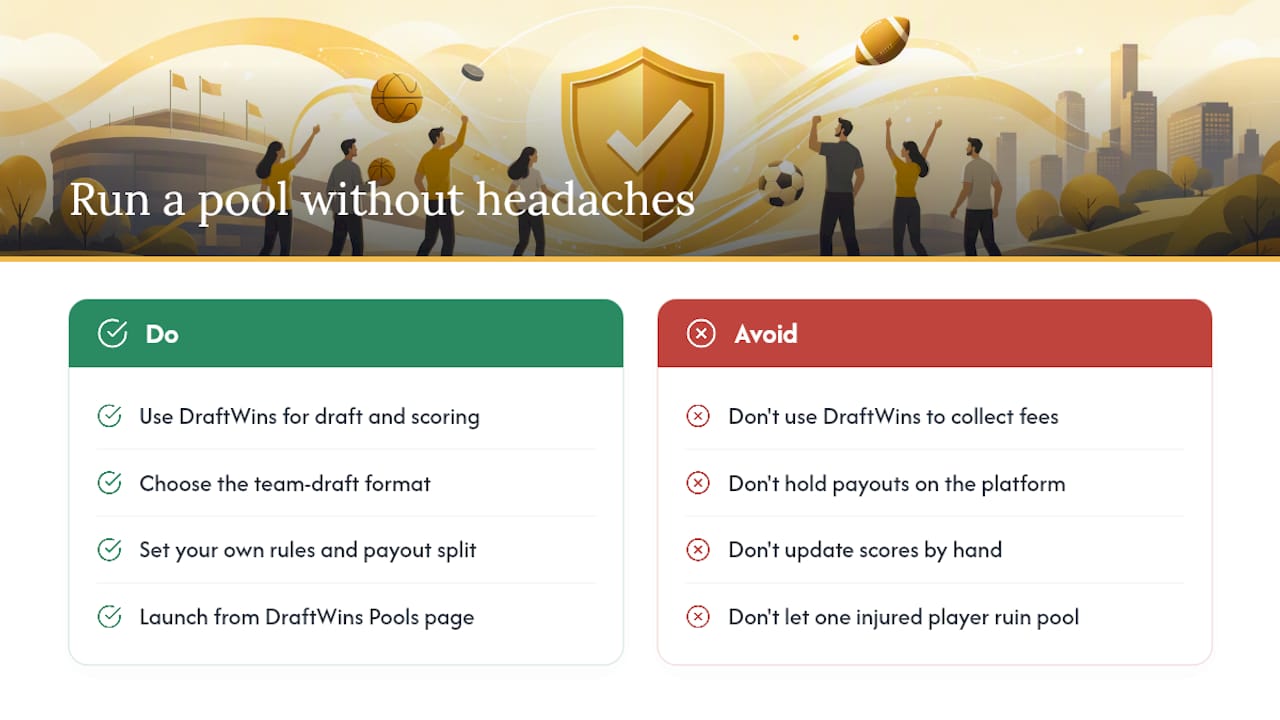
Most of the friction in hosting a pool comes from two things: chasing people for money and updating scores by hand. DraftWins offers automation for drafting, scoring, and leaderboard updates, while not managing entry fees or payouts.
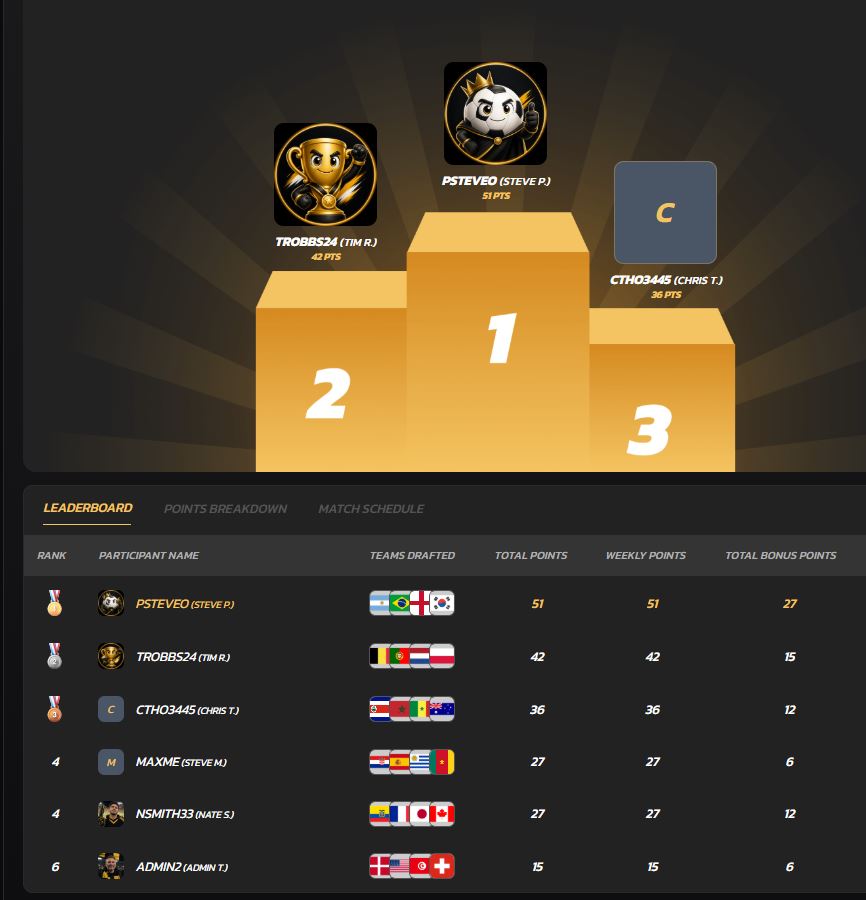
The format is a team draft: participants draft whole teams instead of individual players, so nobody's pool gets wrecked by one player's injury report. Because DraftWins charges commissioners a flat hosting fee instead of collecting entry money or holding a prize pool, you sidestep the payment-processor and organizer-profit issues covered earlier in this guide. You still set your own rules, your own payout split if you're collecting money separately, and your own group's privacy settings.
If you're ready to launch one, head to the DraftWins Pools page, pick your sport, set up your draft, and send invites in a few minutes.
Where to Learn More
For deeper legal context on workplace pools, read the SHRM breakdown of office betting risk and the Littler analysis of state-by-state square rules. For format ideas, see the DraftWins guide to team-draft pool formats.
This article is general information, not a substitute for advice from a qualified lawyer. Consult a qualified legal professional about your own circumstances before acting on anything here.
Sources
- How employers can approach March Madness, office betting pools | SHRM
- What Issues Do Super Bowl Squares Present in the Workplace? | Littler
- Sports Gambling in the Workplace: A Safe Bet? | Mintz
FAQ
Is it legal to run a football pool?
Legality depends on your state, and the deciding factor is usually whether the organizer profits. Pools structured as free-to-play, charity-based, or full-payout-with-no-cut carry the lowest legal risk.
How do you host a football pool?
Choose a format like squares or a bracket, publish rules covering deadlines and payout splits, and run it through a private platform, a free web board, or a spreadsheet, depending on group size and how often it repeats. DraftWins automates the drafting and scoring for team-based pool formats.
What is the typical size of a sports pool?
Most office and friend-group pools run somewhere between 10 and a few dozen participants, though squares boards are typically capped at 100 entries because the grid itself is 10 by 10.
What's the difference between a squares pool and a bracket pool?
A squares pool ties winnings to a single game's quarter-by-quarter score using a grid, while a bracket pool tracks picks across an entire elimination tournament like March Madness. Squares takes minutes to run; brackets need tracking over several weeks.