
A strong fantasy football draft strategy is the sequencing of picks to maximize roster value by targeting high-upside players early, locking in reliable starters mid-draft, and hunting breakout candidates late. Most casual league losses trace back to draft day, not the waiver wire. The players who consistently win understand that draft success is about asset allocation across rounds, not picking favorites or chasing name recognition. Three tools separate disciplined drafters from the rest: tier-based rankings, Average Draft Position (ADP) analysis, and positional scarcity awareness.
How to prioritize player selection by draft round
The most effective drafting strategies for fantasy football treat each phase of the draft as a separate mission with a different objective. Rounds 1 through 3 have one job: secure the highest-upside players available, specifically bellcow running backs and target-heavy wide receivers. A bellcow RB is a back who handles 20-plus carries per game with no meaningful competition for touches. These players are the foundation of winning rosters because their volume is predictable, and volume is the closest thing to a guarantee in fantasy football.
Rounds 1 through 3 should focus on bellcows and target monsters, rounds 4 through 7 on completing your starting lineup, and rounds 8 through 16 on upside stashes. This three-phase structure prevents the most common casual league mistake: spending mid-round picks on safe, low-ceiling players who will never win you a week.
- Rounds 1-3: Target elite RBs and WRs with locked-in roles and high weekly floors. Players like a true workhorse back or a clear WR1 on a pass-heavy offense belong here.
- Rounds 4-7: Fill your starting lineup. Grab a second reliable WR, a flex-worthy RB, and a tight end if a top option falls to you. Your goal is a complete, functional starting roster before the midpoint of the draft.
- Rounds 8-16: Shift to upside. Target players with breakout potential, including young receivers in new offenses, RBs behind aging starters, and handcuffs for your elite backs.
The quarterback position deserves special attention. Waiting until rounds 9-12 to draft a QB in standard 1QB leagues is the right call for most drafters. The talent gap between the QB8 and QB16 is far smaller than the gap between the RB8 and RB16. Spending a round 4 pick on a quarterback when you could grab a starting-caliber wide receiver is one of the most expensive mistakes in casual leagues. Tight end follows similar logic: unless a top-three option like a true receiving TE falls to you in rounds 3 or 4, wait and find value later.
Pro Tip: Set a rule before your draft: no QB before round 8, no kicker or defense before your final two picks. Defenses and kickers should always be your last selections, then streamed week to week based on matchup.

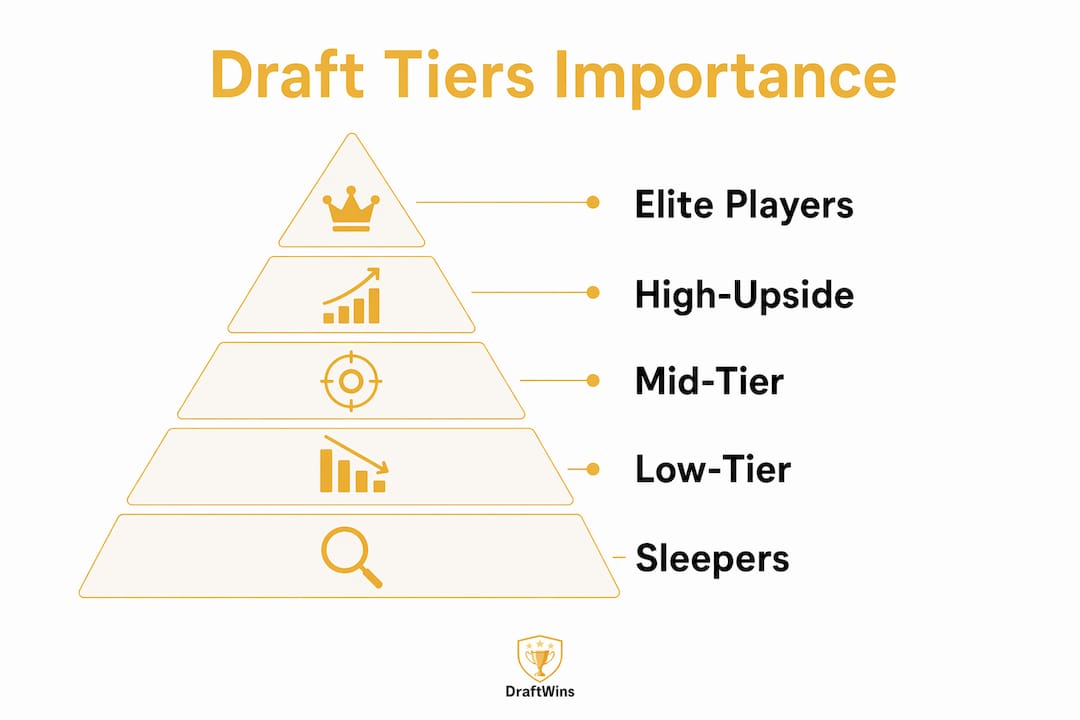
What are tiers, and why do they matter more than rankings?
Tier-based rankings are the single most underused tool in casual fantasy leagues. A ranking list tells you that Player A is ranked 22nd and Player B is ranked 23rd. A tier system tells you that both players belong to the same value group, and the player ranked 30th might actually be in a lower tier with a significant drop in projected production. That distinction changes how you draft.
Tier discipline prevents emotional panic during positional runs and helps you recognize real value cliffs at each position. When your league mates start grabbing quarterbacks in round 6 because one went in round 5, tier-based drafters stay calm. They know there are four more QBs in the same tier still available. Without tiers, that positional run triggers a panic pick that costs you a starting-caliber receiver.
"Static ADP may mislead. Build proprietary tiers and adjust for league-specific scoring and roster rules." — Yahoo Sports
Positional scarcity works alongside tiers. Some positions have steep drop-offs after the top few options. Elite tight ends are the clearest example: the gap between the top two and the next five is often larger than any other position in fantasy. When scarcity is real, you draft ahead of it. When scarcity is manufactured by panic, you ignore it.
The Best Player Available (BPA) approach works best when combined with positional awareness, not as a standalone rule. If you already have two strong RBs and the next best player available is another RB, the BPA approach says take him. Positional awareness says check whether a WR one tier lower fills a bigger need. The right answer depends on your roster construction at that moment. Scoring format matters too: PPR leagues inflate wide receiver value, making early WR picks more defensible than in standard scoring.
How does your draft slot affect your strategy?
Your draft position shapes your entire approach, and effective pre-draft prep includes confirming league rules at least four weeks out, running three or more mock drafts, and pulling ADP data from at least two sources. That preparation is not optional if you want to compete.
| Draft slot | Strategic priority | Key adjustment |
|---|---|---|
| Early pick (1-3) | Lock in elite RB or WR | Accept positional concentration; fill WR depth mid-rounds |
| Middle pick (4-8) | Target best available at the turn | Use the double-pick advantage to grab two strong WRs or RB/WR combo |
| Late pick (9-12) | Leverage the snake-turn value | Grab two high-upside players back-to-back; accept more risk at RB |
PPR leagues reward pass catchers, so wide receivers and receiving backs gain value in every round. Superflex formats make quarterbacks scarce in round 1 or 2, which completely changes the calculus. Keeper and dynasty leagues require you to weigh long-term age curves over single-season upside. If you walk into a PPR draft using standard scoring rankings, you are starting with the wrong map.
Wide receiver depth is stronger than running back depth in most years, which makes Zero-RB and Hero-RB strategies viable when committed to fully. Zero-RB means ignoring running backs until round 5 or later and loading up on elite receivers early. Hero-RB means taking one elite back in round 1 and then pivoting to receivers. Both strategies require conviction and mock draft practice to execute without panic.
Pro Tip: Run at least two mock drafts from your exact draft slot before the real thing. Pay attention to which positions disappear fastest in rounds 3 through 6. That data tells you where to apply pressure and where you can wait.
Common draft mistakes that cost casual league players wins
Most casual league losses are decided in the draft room, not on the waiver wire. The mistakes below are predictable, repeatable, and fixable.
- Chasing last year's stats. A running back who scored 14 touchdowns last season on low volume was lucky, not good. Focus on opportunity, role, and target share, not the final stat line from 12 months ago.
- Reaching due to positional runs. When three quarterbacks go in rounds 5 and 6, the instinct is to grab yours before they're gone. Proactive monitoring of the draft room helps you anticipate these runs and stay disciplined. Stick to your tiers.
- Ignoring tier drop-offs. Drafting a player who is the last in his tier because you "like" him, when a player in a higher tier at a different position is still available, is a value mistake that compounds over the season.
- Filling your bench with safe, low-upside picks. Your bench exists to win you weeks when starters underperform or get injured. A safe player with a 10-point ceiling does not win you a week. A high-upside player with a 6-point floor and a 25-point ceiling does.
- Skipping handcuffs for elite RBs. Drafting the handcuff for your top running back is underrated insurance. If your RB1 goes down in week 4, his backup inherits a full workload. That backup is worth a late-round pick.
- Drafting a defense or kicker before your final two picks. Defenses and kickers are the most replaceable assets in fantasy football. Spending a round 7 pick on a defense costs you a potential breakout receiver.
The underlying principle connecting all of these mistakes is the same: avoid building a "pretty" roster and focus instead on reducing early-round errors while chasing upside late. A team that looks balanced on paper but lacks ceiling players will lose to a messier roster with two or three genuine weekly difference-makers.
Key takeaways
A winning fantasy football draft strategy requires tier discipline in early rounds, positional flexibility in the middle rounds, and upside hunting on the bench.
| Point | Details |
|---|---|
| Phase your draft by round | Rounds 1-3 target upside, rounds 4-7 complete starters, rounds 8-16 chase breakouts. |
| Use tiers, not just rankings | Tiers reveal real value cliffs and prevent panic picks during positional runs. |
| Match strategy to league format | PPR, superflex, and keeper leagues each shift positional value in different directions. |
| Avoid the common mistakes | Do not chase last year's stats, reach on QBs early, or fill your bench with safe, low-ceiling players. |
| Draft handcuffs and stream D/ST | Protect your elite RBs with their backups and never spend a real pick on a defense before the final round. |
Take your draft prep further with Draftwins
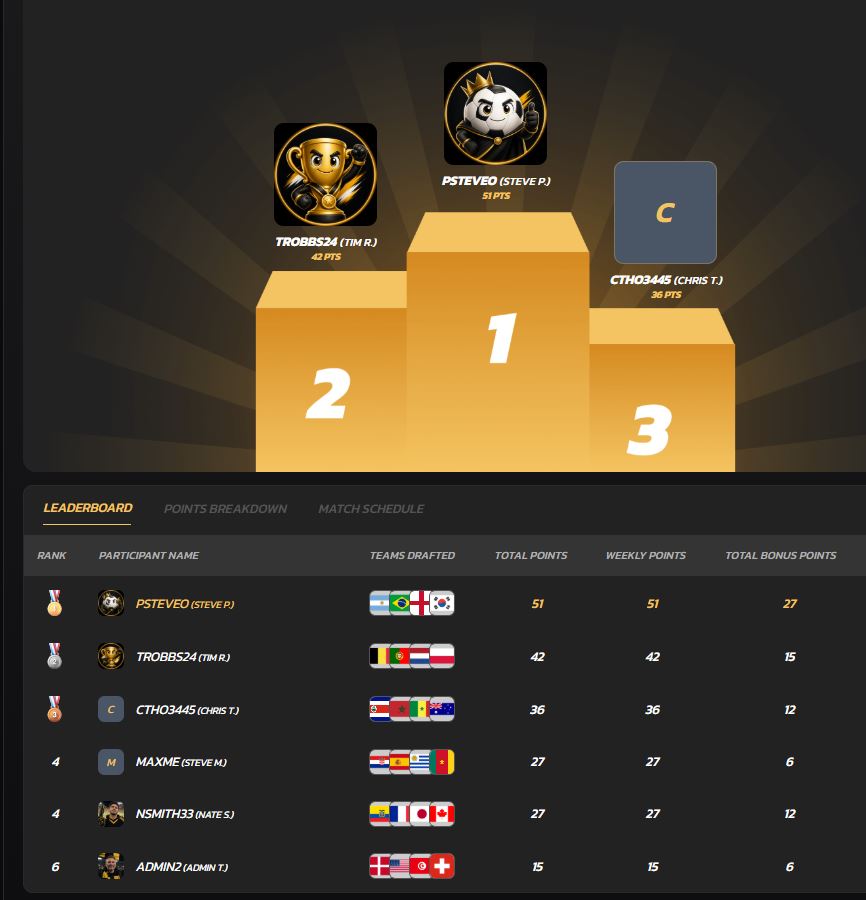
Draftwins is built for fantasy football fans who want to compete without the complexity. The platform lets you draft teams instead of managing individual player lineups week to week, removing the stress of injuries, bye weeks, and constant roster decisions. Automated scoring and live leaderboards keep the competition front and center, so you spend more time enjoying the game and less time managing a spreadsheet. Commissioners can set up private pools with custom scoring rules in minutes. If you are ready to put your draft knowledge to work in a format that rewards smart team selection without the weekly grind, start your pool at Draftwins today.
FAQ
What is the best fantasy football draft strategy for beginners?
Target elite running backs and wide receivers in rounds 1 through 3, complete your starting lineup by round 7, and use late rounds to find high-upside bench players. Waiting on QB until rounds 9 through 12 is the single most consistent value move for new drafters.
When should you draft a quarterback in fantasy football?
In standard 1QB leagues, rounds 9 through 12 deliver the best QB value. The talent gap between the QB8 and QB16 is small enough that waiting costs you almost nothing while freeing up early picks for scarce RB and WR talent.
What are tiers in fantasy football drafting?
Tiers group players of similar projected value together so you can identify real drop-offs between talent levels. Tier-based drafting reduces panic during positional runs because you can see exactly how many players of equal value remain available.
How does PPR scoring change draft strategy?
PPR scoring adds one point per reception, which significantly increases the value of pass-catching running backs and slot receivers. Wide receivers gain value across all rounds in PPR formats, making early WR picks more defensible than in standard scoring leagues.
Should you draft a handcuff running back?
Yes, especially for your round 1 or 2 running back. If your elite RB gets injured, his handcuff inherits a full workload and becomes a weekly starter. A late-round pick on a handcuff is low-cost insurance against a season-ending injury to your most valuable asset.